App Development Wisdom Community
This project was made by Anjali Gali, as a final project for EDUC 5030: Designing Effective Learning Environments.
Students who are the children of immigrants, particularly students of color who learned English as a second language, often experience discrimination and ostracization from their communities. Sometimes, this treatment is intentional – for example, students at the school may have never met a student from a background different from them and based on stereotypes they have encountered in public media or opinion or based on stereotypes they have learned from their community, they may perceive this student to be an outsider and may treat the student as such. However, sometimes it is unintentional – a teacher, who may wish for their student to make new friends and begin learning English may ask their other students to only communicate with the new student in English, which can unknowingly make it difficult for the student to adjust or feel comfortable, seen or heard in a new and potentially intimidating environment.
If students from immigrant families have the resources, strategies and outlets they need to express themselves, tell their stories, and contribute their ideas and opinions in their newfound communities, communities can become more diverse, accepting and can foster a supportive environment for students to pursue extracurriculars, internships, apprenticeships, and academic opportunities that expand their skillsets and promote self-sufficiency, community-building and self-expression. I aimed to create a training program for students to engage in conversational English and to better understand and support the needs of students from immigrant families and communities.
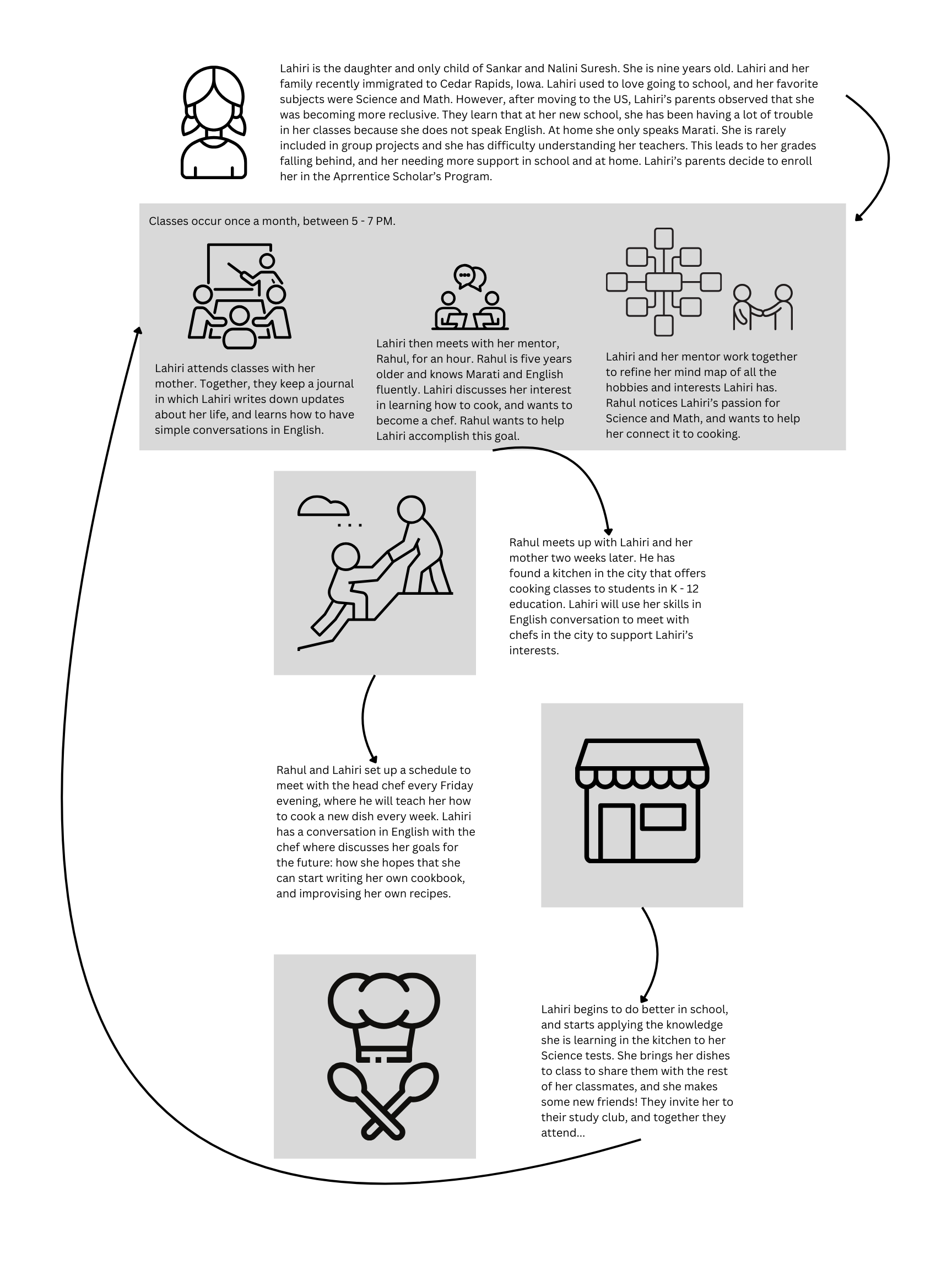
- Conversational English Lessons for students to engage in conversation with mentors and teachers. This is intended to be a more structured session, with lesson plans, presentations and worksheet packets that teachers and families will complete simultaneously .
- Mentorship sessions for students. This is intended to be a free-form after-school session that offers opportunities for connection between teachers, students and mentors. It is intended to be hosted in regular sessions that occur once a month, with four standard lessons (i.e. lessons that will be taught at the very beginning and end of the session). This lesson will be hosted by the principal/ headmaster of the school, and two instructors at the location, who will administer the curriculum. It will be hosted once a month. While session 1 will offer more structure so that students have an easier time setting up their goals, expectations and strategies for the future.
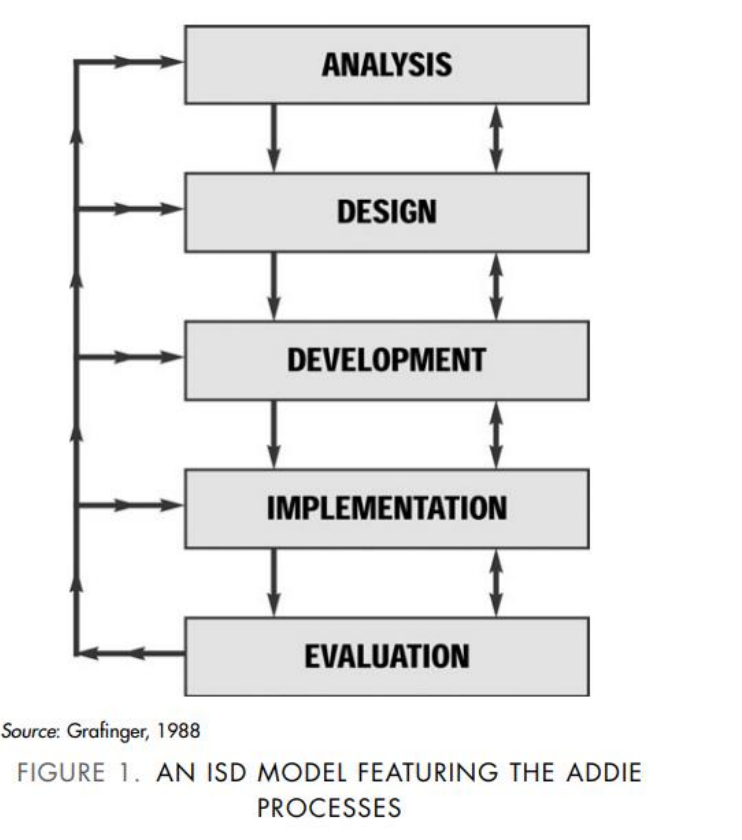
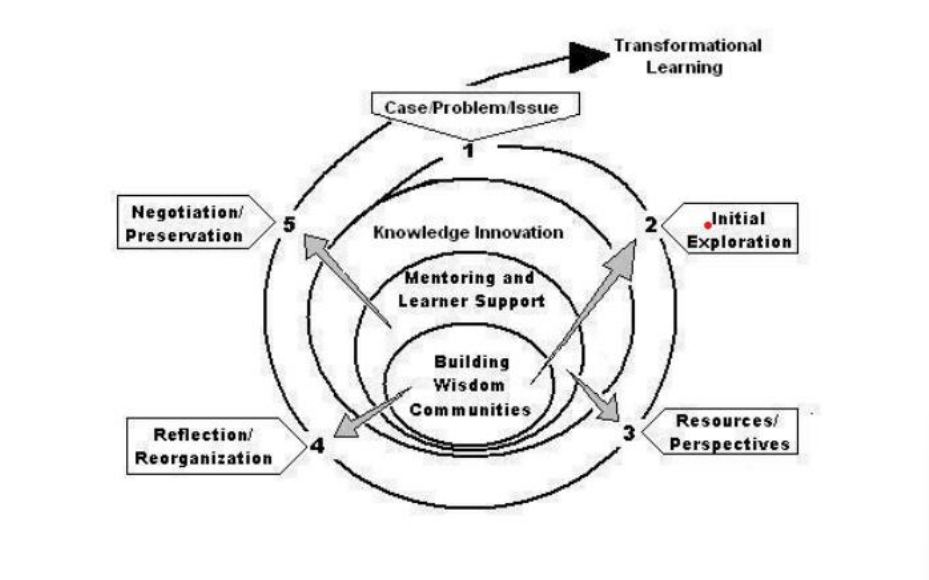
For the purposes of this instruction, we aim to create a learning community that is rooted in the belief that members of the community have innate knowledge that they can contribute to their community due to their diverse backgrounds. We want to ensure that this training is modular and can evolve with stakeholders’ needs as those needs change over time. Gunawardena’s emphasis on mentorship provides an environment that empowers learners as the arbiters of their lived experiences. The ADDIE model uses a similar approach; however, this model ensures that development is iterative and systematic.
Below is my complete planning report.