SDAT: UI/UX Design for Simulations of Points Clouds
I worked on this project alongside a professor at Iowa State University and in collaboration with Design Mill.
Sometimes when conducting training modules, service members may have to train to enter areas that they do not have clearance to access yet (for example, Navy sailors may have to train before accessing a ship, but can't train on the ship itself, resulting in a knowledge gap when they arrive for their first day.) To ensure service members' preparedness, a team of Designers at Design Mill, in collaboration with Researchers from Iowa State, developed the SDAT project.
This project uses Unreal Engine to develop the graphics for the project, a point-cloud scan of the environment (such as a Navy Ship) to represent all the areas a user could visit in a 3-Dimensional space, and was connected to a server so that it could be deployed over the web.
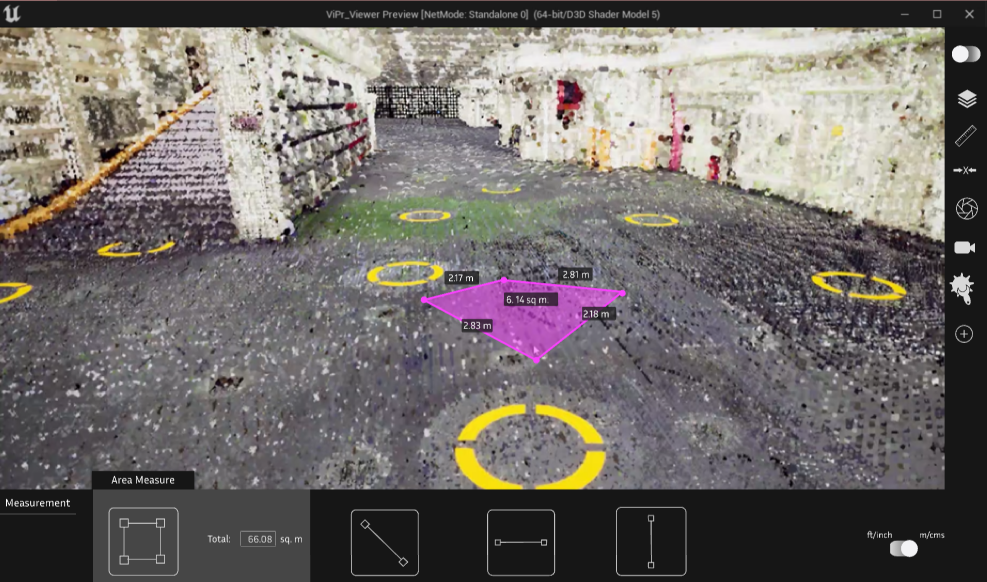
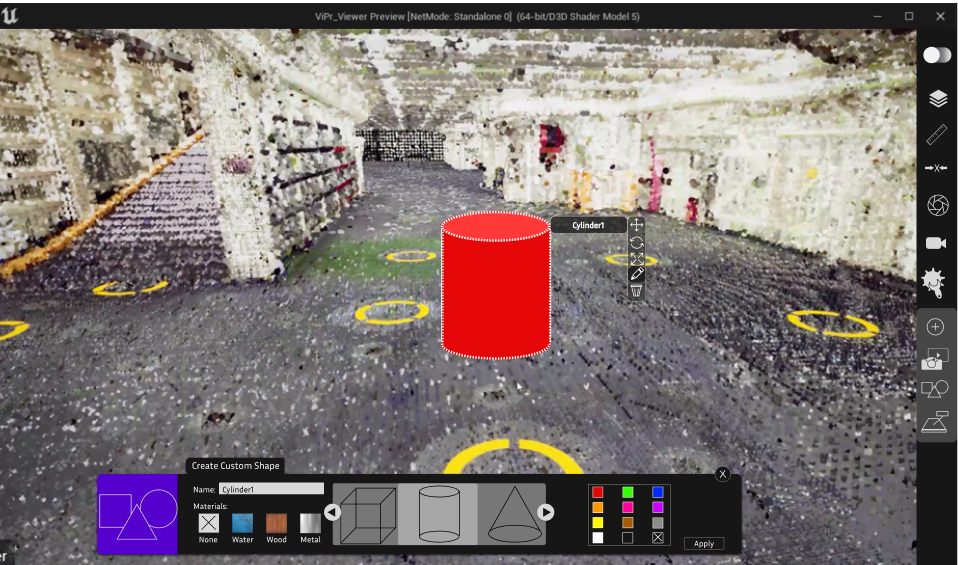
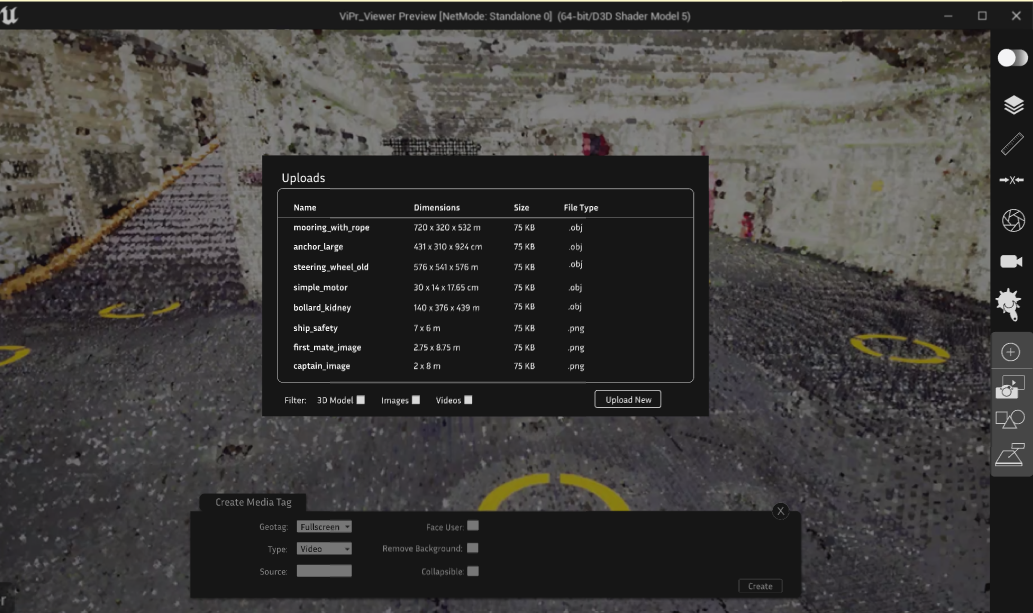
I worked on a team of four to develop user interfaces that were cohesive, timeless and that appealed to a large variety of audience members (we wanted to make the UI appealing to demographics in different age groups, or who played different roles on the ships.) I met weekly with my supervisor (who is a professor at Iowa State Univeristy) to develop Figma wireframes, iconography and graphics that fulfilled the needs of a broad user-base.
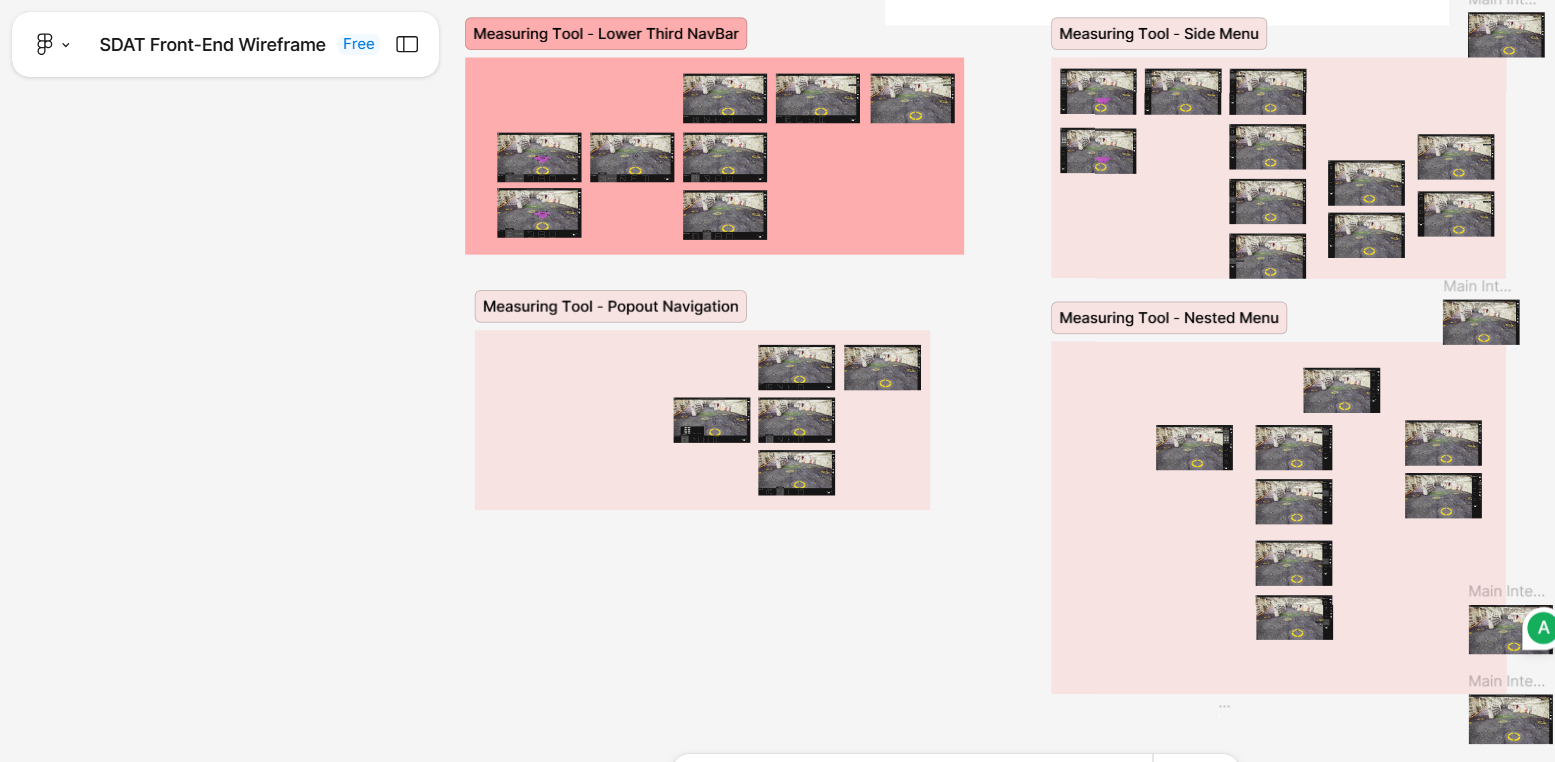
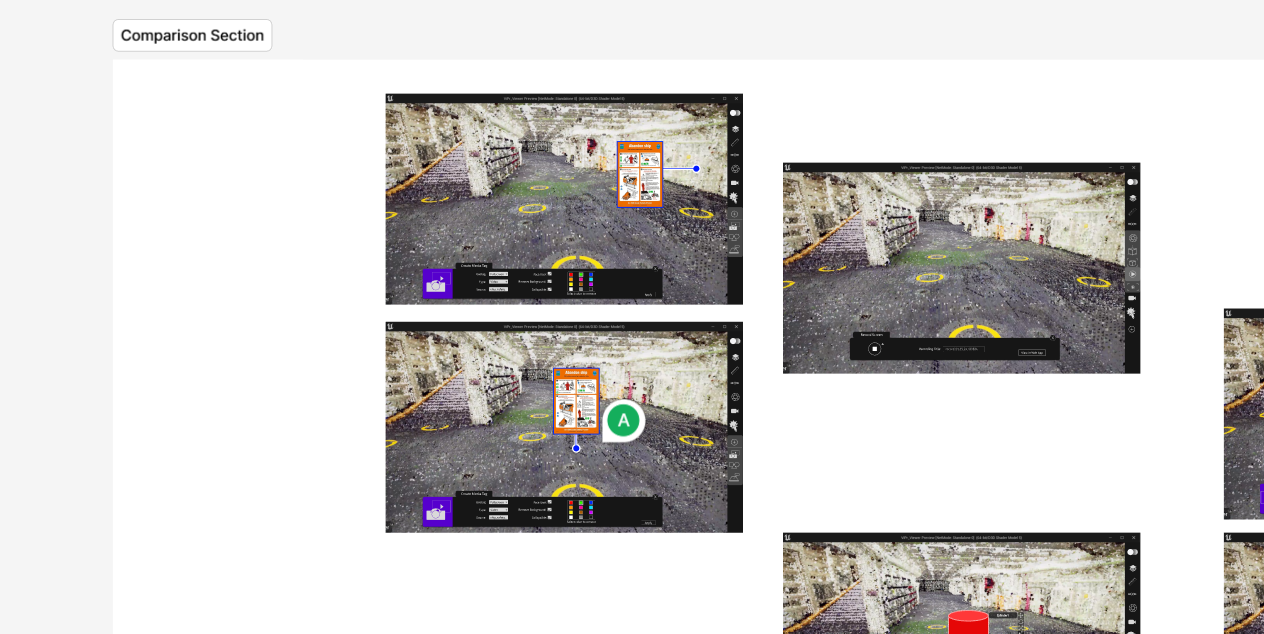
To develop the Figma wireframe, I would meet weekly with the UI/ UX Lead, the Manager, and the Environments Designer so that they could review the wireframe, comment on the functionality, and develop the changes I proposed. To organize the wireframe itself, I divided the wireframe into groups, with a section above the wireframe where a user could visually compare UI functionality, icon design, etc. I also grouped work into separate flows all within the same page to save and showcae our work.